
by Dejan Pekic
AI Actors, Employment and Opportunity
Posted by Dejan Pekic
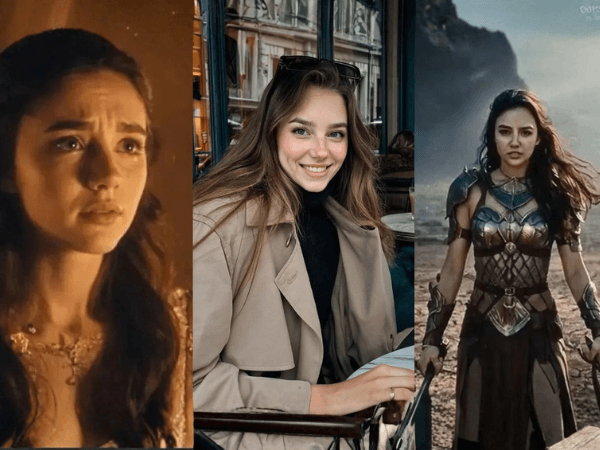
The new AI movie stars are coming. Tilly Norwood is the precursor to replacing all of us, in all of our employment roles. Or that’s one way things might go.
While AI development has been accelerating for several years, it hit its stride in 2025 with the widespread adoption of AI tools such as ChatGPT, a burgeoning media focus and, as we recently reported, a sharp increase in AI-related GDP growth in the United States.
The legal and ethical debates around AI are likely to grow in line with the tech’s expansion. Particle6, a British video production group, recently hit headlines with the release of an AI-generated actress, Tilly Norwood. The response from Hollywood was immediate and sharp.
Whoopi Goldberg spoke of AI’s ‘unfair advantage’, while Emily Blunt described the move as ‘terrifying’ in an interview with Variety magazine. It followed a pre-emptive statement earlier this year from SAG-AFTRA (the American actors union) stating that the use of AI ‘creates the problem of using stolen performances to put actors out of work, jeopardising performer livelihoods and devaluing human artistry’.
Eline van der Velden, the founder and CEO of Particle6, responded during an interview with the US ABC network that AI has the potential to i) lower production budgets and so get movies into production that would otherwise be stalled, and ii) become part of a new AI genre of entertainment, sitting alongside traditional moviemaking and animation.
AI is likely to continue to draw controversy, particularly within the creative industries, where debates are already raging about authenticity and quality. So is it already taking jobs? According to the World Economic Forum (WEF), the US is seeing positive GDP growth and flat employment, suggesting productivity benefits aligning with a decreased demand for lower-skilled services. The WEF adds that it is still too early to tell if ongoing productivity gains will result in an augmented workforce, or a reduced one.
We might recall the computer boom of the 1980s and similar fear associated with the introduction of the desktop computer, an anxiety echoed throughout history during technological advances. It’s clear AI is booming, and with that may come investment opportunities across a broad range of AI-related industries.
Interested in what the rise of AI could mean for markets and investors? At Newealth, we keep across the latest developments to ensure your financial planning stays clear, considered and future-focused.
General Advice Warning:
The information in this blog is general in nature and does not take into account your personal objectives, financial situation or needs. You should consider whether the information is appropriate for you and seek professional advice before making any financial decisions.
Newealth Pty Ltd ABN 61 091 100 275 | AFSL 231297
Related Posts

Moving overseas doesn't mean leaving the Australian tax system behind. Whether you're heading off, already abroad or planning your return, your tax residency affects your CGT, HECS debt and super.

Australia's aging population is a ticking budget problem. Why bigger budget changes are coming, and what it means for your retirement plan.

Bucket companies just dodged a tax bullet. Treasury has scrapped its 70% tax rate proposal

